Beginners Mind: What I Learned from My Worst Photos

The photo that was published in the local paper in 2012

Selfies at Yosemite
I got my first real camera in 2013: a $300 Nikon D3200. A local newspaper had just published my sunset photo from Lake Tahoe, so I assumed I was a professional. I carried the camera everywhere. I was a rising star, the Ansel Adams of the Midwest. National Geographic would call any day.
Soon after, I stood in the cereal aisle under fluorescent Safeway lights while my ego crumbled.
My friend David asked about my new passion. “Do you know the rule of thirds?”
I smirked. “Of course.”
“What is it?” he asked.
I stared at the linoleum. I had no idea. I was a rank amateur fueled by unearned confidence. It was the most liberating realization of my life.
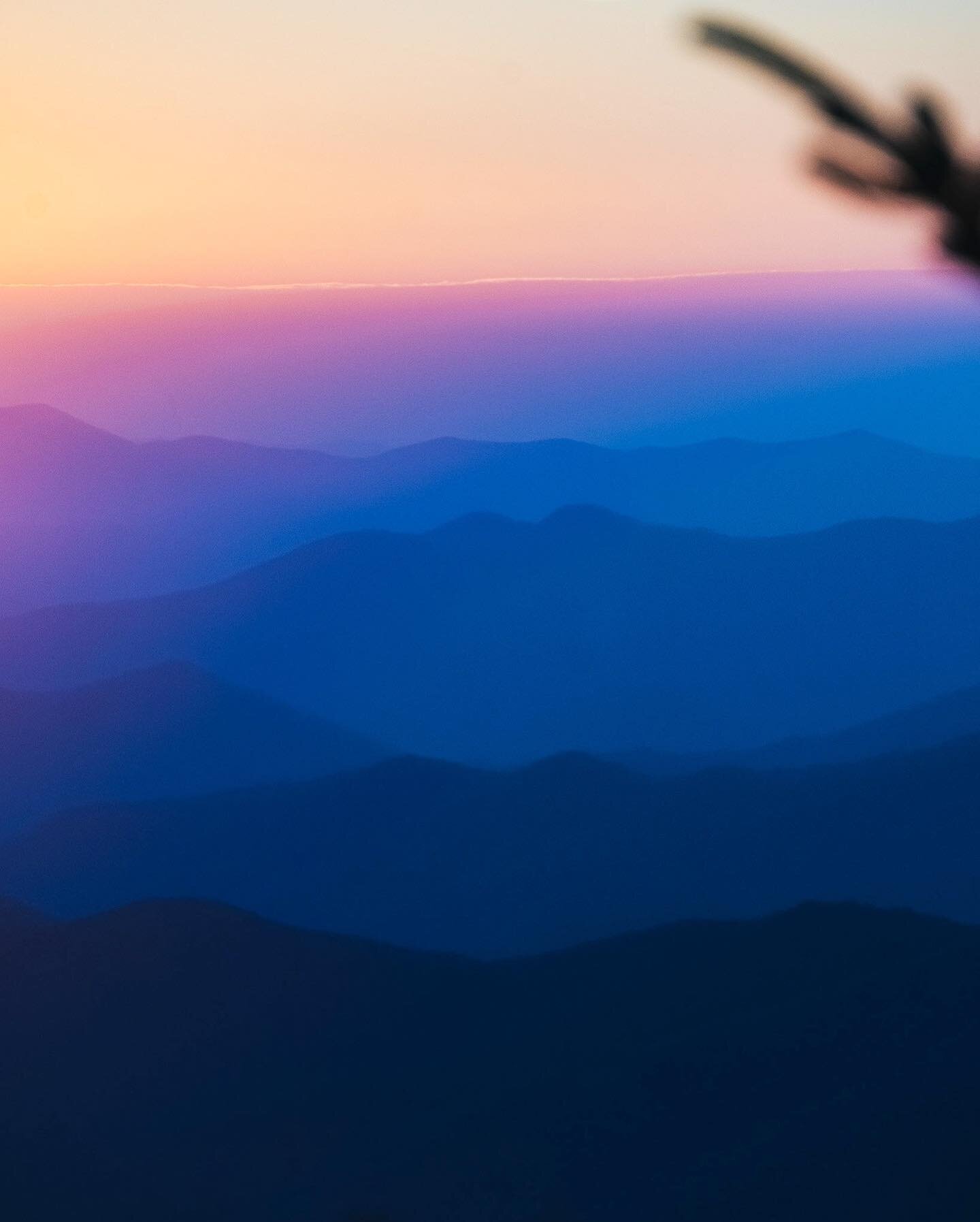
I lived at Lake Tahoe, the perfect place to be a beginner. Friends said it was impossible to take a bad picture there. Challenge accepted.
In those early months, I made every mistake. I blew out highlights. My horizon lines pitched like sinking ships. I didn't care. I was having fun. Eventually, I recognized patterns. My photos went from Why does this exist? to Hey, that’s not bad. I wasn't getting good, but I was getting less bad.
Progress brought confidence, then experimentation. Without the pressure to succeed, I tried things just to see what would happen. I woke at 3 a.m. and hiked to the docks under a new moon to shoot long exposures of the lake. They worked. My attempt at a sunrise time-lapse, however, was a disaster.

The docks at 3 a.m.
Field Notes: The Beginner's Tech Stack
You don't need a $4,000 rig to start. My plastic D3200 forced me to learn light instead of leaning on autofocus. If gear choices paralyze you, grab a cheap body and a 35mm prime lens, and go break some rules. Limitations breed creativity.

I’m improving!
Here is the secret to getting good at something: it ruins the magic.
Slowly, my framing improved. The local paper gave way to magazine spreads. I moved to Oahu. Hawaii Magazine named me a top adventure photographer. For three years, I shot free-dives with sharks and chased light across volcanic ridges. I had made it.
The validation felt incredible for five minutes. Then it became a cage.
Expectation is a parasite. I stopped taking risks. I stood before roaring waterfalls, mist soaking my jacket, light piercing the canopy, and felt nothing. My brain was doing math. Will the algorithm push this? Will clients buy prints? The wild experiment had become a desk job.

Ten years later, I was archiving old files on my laptop. Buried beneath a dozen "Final_FINAL_v3" folders, I found my Tahoe archives.
I clicked through the grid. I laughed. I cringed. Nostalgia hit me. I remembered the fearless kid who took those shots, and I admired him.
I dragged the ancient files into Lightroom. (Always shoot in RAW. If you learn nothing else from me, learn that.)

A decade of muscle memory took over. I pulled down highlights and pushed shadows. The image came to life on the screen. I couldn’t believe it: the photos were good.
The focus was soft. The composition was crooked. But they held a frantic energy I hadn't captured in years. They had soul. Technical perfection is cheap; you can buy a camera today that does the math for you. You cannot buy the hungry curiosity of a beginner.
I stared at the monitor. I want that hunger back. Technical mastery means nothing if you lose the wild curiosity that dragged you out into the dark in the first place.
Go look at your oldest, worst photos. You might find exactly what you've been missing.